Watch Buying 101: How to Pick the Right Timepiece for You
A watch is more than a way to tell time — it’s a statement, an investment, and a piece of mechanical art. Whether you’re buying your first watch or adding to a growing collection, understanding the fundamentals will help you choose wisely.
1. Understanding Watch Movements
The movement, or the “engine” of the watch, determines how it operates and keeps time. There are three main types:
-
Automatic (Self-Winding): These watches wind themselves using the motion of your wrist. They often feature a transparent case back so you can admire the intricate gears and rotor. Perfect for those who appreciate craftsmanship, automatic watches require regular wear or a watch winder to maintain accuracy.
-
Quartz: Powered by a battery, quartz watches are extremely accurate and low-maintenance. They’re ideal for everyday wear or anyone who wants a reliable watch without fuss.
-
Manual Wind: Less common today, manual watches require you to wind them daily. They’re prized by collectors for the tactile connection to traditional watchmaking.
Tip: Understanding movements helps you decide between the convenience of quartz, the artistry of automatic, or the hands-on charm of manual winding.
2. Style & Purpose
A watch should fit your lifestyle and personal style. Consider the following categories:
-
Dress Watches: Sleek, minimalist designs with thin cases and simple dials. Perfect for formal occasions or business attire.
-
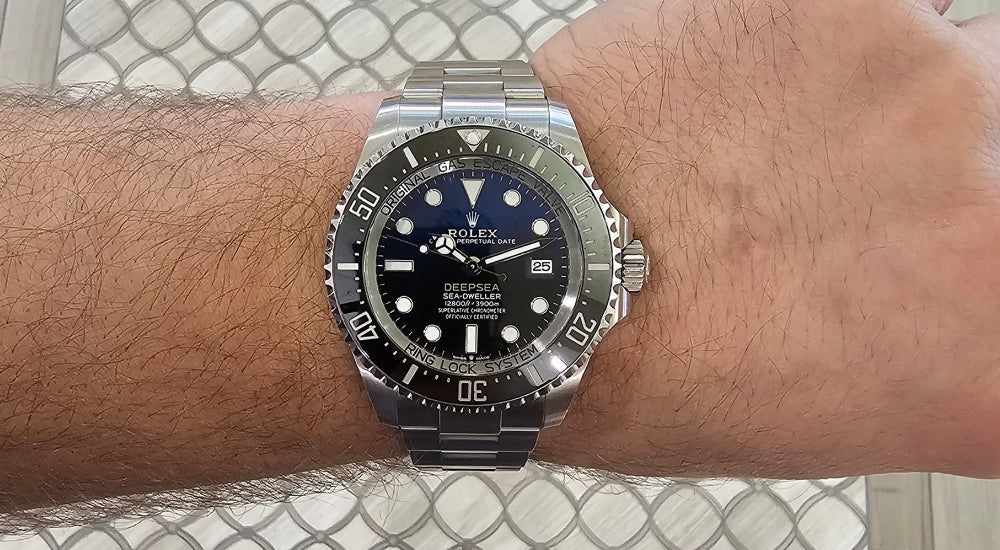
Sport Watches: Durable, water-resistant, and often larger in size. These are ideal for active lifestyles and outdoor adventures. Features like rotating bezels or chronographs add both function and flair.
-
Everyday Watches: Versatile pieces that pair with both casual and semi-formal outfits. They balance style, comfort, and practicality.
Tip: Think about when and where you’ll wear the watch most often — this will guide your style choice.
3. Materials & Build Quality
The materials used in a watch affect both its durability and appearance:
-
Case & Bracelet Metals: Stainless steel is classic and long-lasting, gold offers elegance, and titanium is lightweight and strong. Some watches feature two-tone cases for a modern look.
-
Crystal: Sapphire crystal is scratch-resistant and highly durable, while mineral glass is more budget-friendly but less resistant to scratches.
-
Straps & Bracelets: Leather straps offer comfort and a classic look, metal bracelets are durable, and fabric or rubber straps suit sportier designs.
Tip: A well-built watch with quality materials can last decades with proper care.
4. Size & Fit
Comfort and proportion are key.
-
Case Diameter: Men’s watches typically range 38–44mm; women’s watches 28–36mm. But personal preference is the most important factor — some collectors prefer larger, bold watches, others favor subtle, smaller pieces.
-
Case Thickness: Thicker watches make a statement, but may not fit comfortably under a shirt cuff.
-
Bracelet/Strap Fit: The watch should sit snugly on your wrist without sliding around. Adjustable links or straps help achieve the perfect fit.
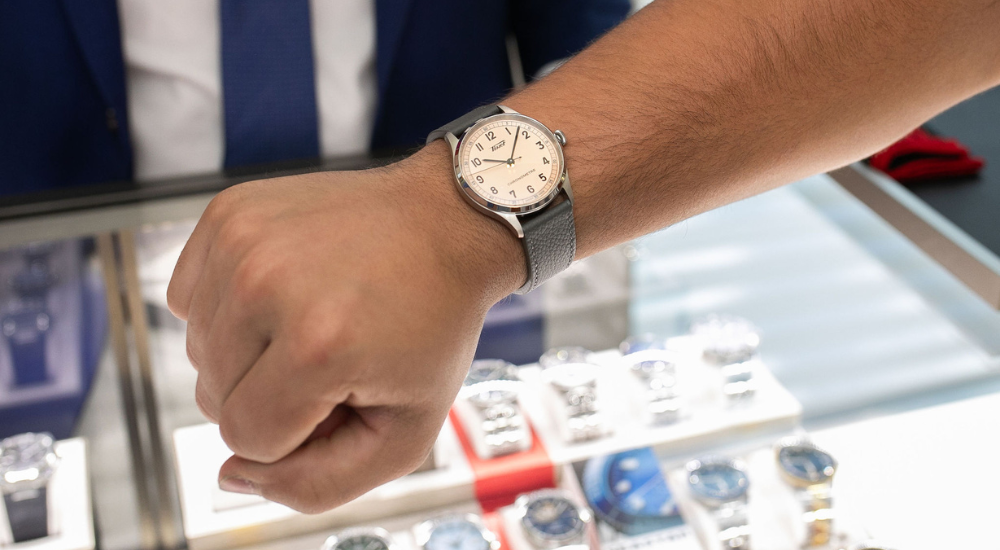
Tip: Trying watches on in person is the best way to judge comfort and proportion.
5. Features & Complications
“Complications” are functions beyond telling time. Some common ones include:
-
Date / Day Display: Useful for everyday wear.
-
Chronograph (Stopwatch): Offers timing functionality, often with subdials.
-
GMT / Dual Time: Shows multiple time zones — ideal for travelers.
-
Power Reserve Indicator: Shows how much longer a mechanical watch will run before it needs winding.
Tip: Only choose complications you’ll actually use. Extra features can increase the cost and maintenance needs.
6. Setting Your Budget
Watches exist across a wide price spectrum. Key points to consider:
-
Entry-Level: Quality quartz or basic automatic watches provide reliability and style without a huge investment.
-
Mid-Tier: Offers enhanced materials, mechanical movements, and craftsmanship. Great for those serious about collecting.
-
Luxury & Collectible: High-end watches feature sophisticated movements, precious metals, and rare complications. These can become long-term investments or heirlooms.
Tip: Determine your budget first to narrow choices and avoid feeling overwhelmed.
7. Maintenance & Care
A watch is only as good as the care it receives:
-
Automatic / Mechanical Watches: Require regular servicing (usually every 3–5 years) to maintain accuracy and longevity.
-
Water Resistance: Always check your watch’s rating before swimming or showering.
-
Cleaning: Wipe down with a soft cloth, and periodically clean bracelets and straps to prevent wear.
Tip: Even a high-quality watch can lose value and charm if neglected.
How to Choose Your Watch
Now that you know the basics, how do you actually decide which watch is right for you? Start by thinking about when and how you’ll wear it.
1. Consider your lifestyle.
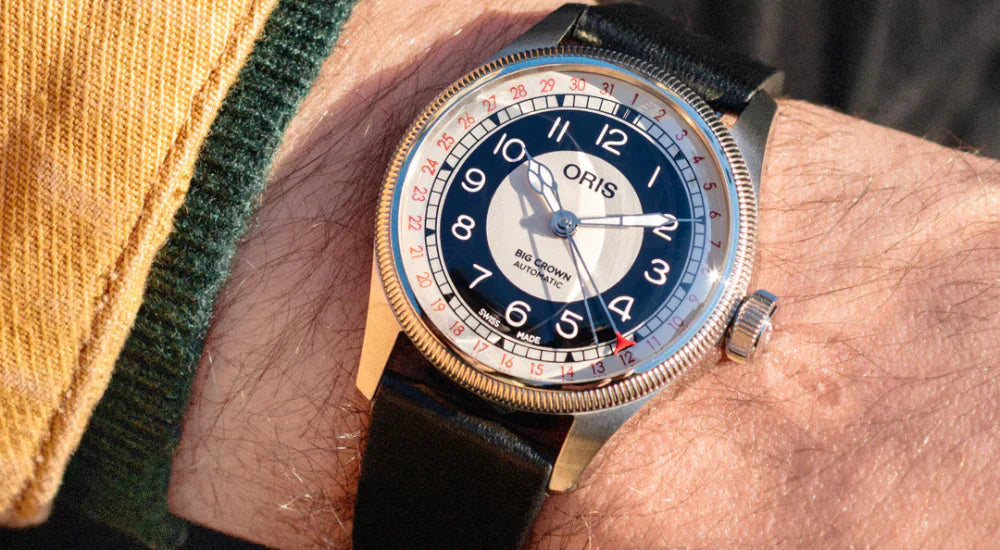
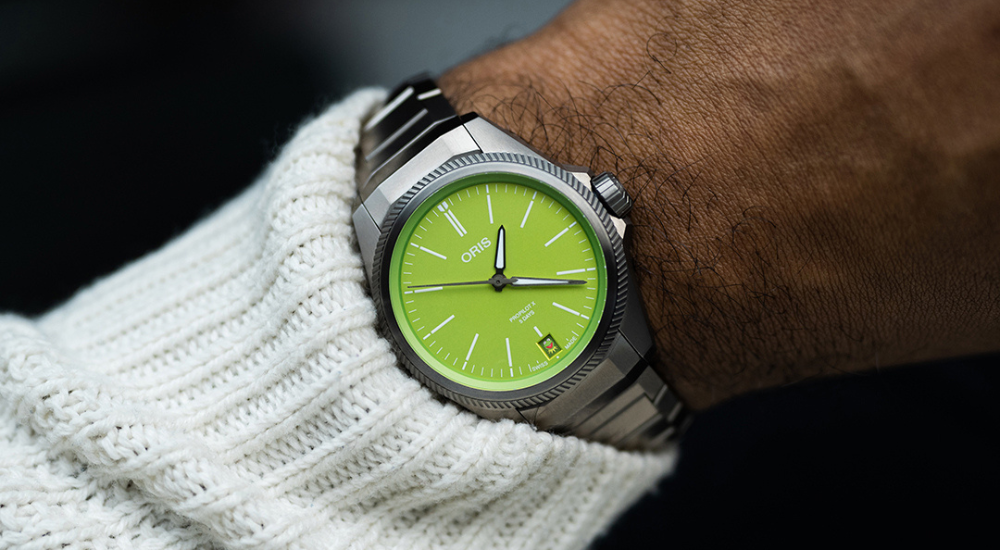
Are you looking for an everyday watch you can wear to work and on weekends? Something dressy for special occasions? Or a durable timepiece for outdoor adventures? Your daily routine should guide your choice — an elegant Frederique Constant looks right at home under a cuff, while a sportier Tissot or Oris might be perfect for active days.
2. Choose your movement.
If you prefer low maintenance, a quartz movement keeps perfect time with minimal effort. If you love craftsmanship and tradition, an automatic or manual movement adds a touch of artistry every time you check the time.
3. Pick your materials and size.
Try on a few options to see what feels comfortable on your wrist. Stainless steel is classic and durable, while two-tone or gold adds a refined touch. Pay attention to the case diameter — larger watches can feel bold, while smaller ones wear more subtly.
4. Prioritize features you’ll use.
A clean, simple dial is timeless, but you might appreciate added functions like a date window, chronograph, or GMT hand if you travel often.
5. Consider pre-owned luxury watches.
Pre-owned watches offer a unique opportunity to own high-quality timepieces at a more accessible price point. At Koser Jewelers, we carry a carefully curated selection of pre-owned luxury watches, each inspected for authenticity and condition. Choosing pre-owned not only allows you to explore models that may no longer be in production, but also gives you the chance to invest in a watch with character and history — all while enjoying the same expert guidance and service you’d expect from a brand-new timepiece.
6. Try before you buy.
No guide replaces seeing the watch in person. Visit our Mount Joy showroom to compare styles, movements, and fits side by side. Our team will help you find the piece that feels like you — because the right watch doesn’t just tell time; it tells your story.
Visit Koser Jewelers to explore our curated collection of quality watches and find the one that’s perfect for you.