Rose Gold, Yellow Gold, and White Gold: What's the Difference?
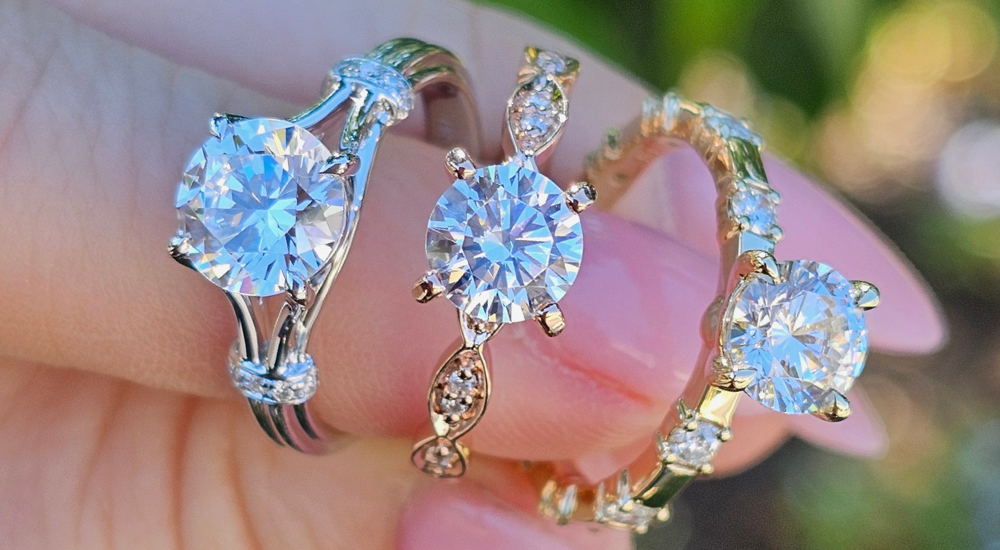
If you've been comparing rings and found yourself wondering why the same setting looks so different in rose, yellow, and white, you're not alone. All three start from the same place: pure gold. What sets them apart is what's mixed in, and understanding those differences can make choosing between them a lot easier.
Here at Koser Jewelers in Mount Joy, PA, we get this question from guests across Lancaster, Harrisburg, and York almost every week. Below is a breakdown of what makes each metal unique, so you can decide which one fits your lifestyle and style.
The Basics: Why Gold Needs Other Metals
Pure gold, or 24 karat gold, is soft. Too soft, in fact, to hold up well in a ring worn daily. That's why jewelers alloy it, meaning they mix it with other metals to add strength and, in the process, shift its color. The specific metals used and their ratios determine whether you end up with rose, yellow, or white gold.
Rose Gold
Rose gold gets its warm, blush tone from a higher copper content in the alloy. That same copper is what makes rose gold the most durable of the three metals discussed here, and naturally resistant to scratching. If you're someone who's hard on jewelry, whether that's an active lifestyle or a hands-on job, rose gold tends to hold up beautifully over years of daily wear.
Yellow Gold
Yellow gold uses a more traditional mix of silver and copper, which keeps it closest to gold's natural, original color. It's a classic for a reason. Because the alloy composition is more balanced, yellow gold requires the least upkeep over time of the three metals. There's no plating to maintain and no re-finishing needed to keep its warmth looking consistent.
White Gold
White gold starts as a yellow-toned alloy, then gets finished with a rhodium plating to achieve that bright, silvery-white look. The rhodium is what gives white gold its signature shine and sleek, modern appearance, and it pairs well with any skin tone. The tradeoff is that the plating wears down gradually, so white gold jewelry benefits from occasional re-plating to keep that finish looking fresh.
So, Which One Is Right for You?
There's no universally "better" option among the three. It really comes down to what matters most to you:
- Warmth vs. brightness. Rose and yellow gold lean warm, while white gold offers a cooler, brighter look.
- Maintenance. Yellow gold needs the least upkeep, rose gold holds up well against scratching, and white gold calls for occasional re-plating.
- Skin tone and personal style. All three metals can look stunning; it's really about what feels most like you.
If you're working with a setting that comes in multiple metal options, it's worth trying a few on in person. The way a metal catches the light against your hand often makes the decision much easier than it looks in photos.
Visit Us in Mount Joy
Whether you already have a metal in mind or want to compare all three side by side, our team at Koser Jewelers is happy to walk you through it. We've been helping guests throughout Lancaster County find pieces they'll wear for a lifetime since 1952.
Stop by our store at 811 East Main Street in Mount Joy, or schedule an appointment here.