Pearl Restringing in Mount Joy
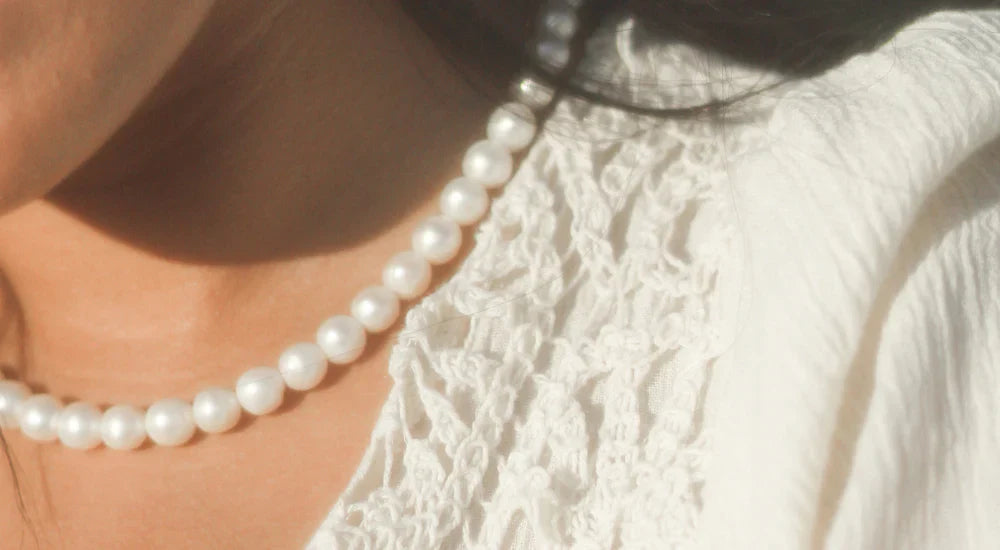
Pearl necklaces have long been symbols of elegance and timeless beauty. Unlike metal chains, however, pearl strands rely on delicate thread to hold each bead securely in place. Over time, that thread can weaken, stretch, or fray, making pearl restringing an essential part of proper pearl jewelry care. Regular maintenance, including professional restringing, protects pearls from damage and prevents accidental loss. With the right care and timely necklace repair, pearl jewelry can remain beautiful for generations. Check it out!
Understanding Pearl Restringing
Pearl restringing is the process of removing worn or weakened thread from a pearl necklace and re-threading the pearls onto a new strand, typically using high-quality silk cord. During this process, jewelers usually tie a small knot between each pearl to secure the strand and protect the pearls from rubbing against each other.
These knots serve an important purpose. Not only do they help keep pearls evenly spaced, but they also provide protection if the thread ever breaks. Instead of the entire strand scattering, the knots prevent most of the pearls from slipping off the necklace.

Why Pearl Restringing Is Important
Many people assume pearl necklaces will last indefinitely without maintenance, but the thread holding them together naturally wears down over time. Silk thread gradually absorbs oils, moisture, and environmental contaminants, which weaken the fibers and increase the risk of breakage.
If a pearl necklace is not restrung periodically, the strand may eventually snap unexpectedly. In some cases, this can cause pearls to fall off and become lost. Restringing serves several important purposes:
- It restores the strength of the necklace
- It maintains the correct spacing between pearls
- It prevents pearls from rubbing against one another
- It protects the necklace from sudden breakage
Signs That a Pearl Necklace Needs Restringing
Pearl strands often show visible warning signs before the thread becomes too weak. Recognizing these signs early allows you to address the issue before the necklace breaks.
One common indicator is stretching in the thread. When the silk cord begins to loosen, noticeable gaps may appear between pearls. This stretching suggests the thread is weakening and should be replaced.
Another sign is discoloration in the knots between pearls. Oils, cosmetics, and everyday dust can cause the thread to appear yellow or dark over time. This buildup weakens the cord and indicates the necklace may need attention.
Fraying or fuzzy knots are also warning signals. Continuous friction between the pearls and the thread can wear down the silk, eventually leading to breakage if left unrepaired.
In some cases, the necklace may simply appear longer than it originally was due to thread stretching. This subtle change is often overlooked but is a clear indication that the string needs professional restringing.
How Often Should Pearls Be Restrung?
The frequency of pearl restringing depends largely on how often the necklace is worn. For necklaces worn frequently, many jewelry professionals recommend restringing about once a year to maintain security. Pieces worn occasionally may only require restringing every few years.
Even when a necklace is not worn often, it is still helpful to inspect it periodically. Environmental conditions, storage habits, and age can all affect the thread over time. Regular inspection helps identify early signs of wear and ensures that pearls remain securely strung.
The Role of Professional Necklace Repair
Although pearl necklaces may appear simple in design, restringing them requires precision and skill. Professional jewelers understand how to handle pearls safely and maintain proper spacing and alignment. The restringing process typically includes several careful steps:
- Removing pearls from the original thread
- Cleaning the pearls to remove oils or residue
- Inspecting each pearl for wear or damage
- Re-stringing the pearls using durable silk thread
- Hand-knotting between each pearl for security
- Reattaching or replacing the clasp if necessary
Maintaining Pearls Between Repairs
Alongside periodic restringing, good jewelry care habits help extend the life of pearl necklaces. Because pearls are organic gemstones, they require a bit more care than many other types of jewelry. A few helpful maintenance practices include:
- Wiping pearls gently with a soft cloth after wearing them
- Storing pearl necklaces separately from harder gemstones
- Avoiding exposure to harsh chemicals or perfumes
- Placing pearls in a soft pouch or a lined jewelry box
Preserving the Beauty of Pearl Jewelry
Pearl necklaces are treasured not only for their elegance but also for the stories they carry. From bridal jewelry to inherited family pieces, pearls often become meaningful keepsakes that deserve thoughtful care.
Regular pearl restringing plays a key role in protecting these pieces. By maintaining the strand's strength and preserving each pearl's alignment, restringing ensures that pearl jewelry continues to look refined and secure. Combining proper storage, gentle cleaning, and occasional professional service allows pearl necklaces to remain beautiful for decades.
Pearl Necklace Repair at Koser Jewelers
The experienced team at Koser Jewelers provides expert pearl restringing and necklace repair services to help clients protect their treasured jewelry. We invite you to visit our showroom in Mount Joy to learn more about professional pearl jewelry care and how our team can help keep your pearls beautifully preserved for years to come.